
Reimagining Nonprofit Leadership
The nonprofit sector doesn’t have a leadership problem. It has a systems problem.
Too many leaders are carrying impossible expectations inside structures that were never designed for the realities of modern community work.
This page explores some of the questions and ideas shaping my work.
What I Believe
I believe leadership should not destroy people.
I believe the nonprofit sector doesn’t have a leadership problem. It has a systems problem.
I believe governance should support leadership, not drain it.
I believe complexity requires collaboration, not one person carrying everything.
I believe sustainability matters more than constant growth.
And I believe there are more human, relational, and future-fit ways of working than many of the models we’ve inherited.
What I’m noticing
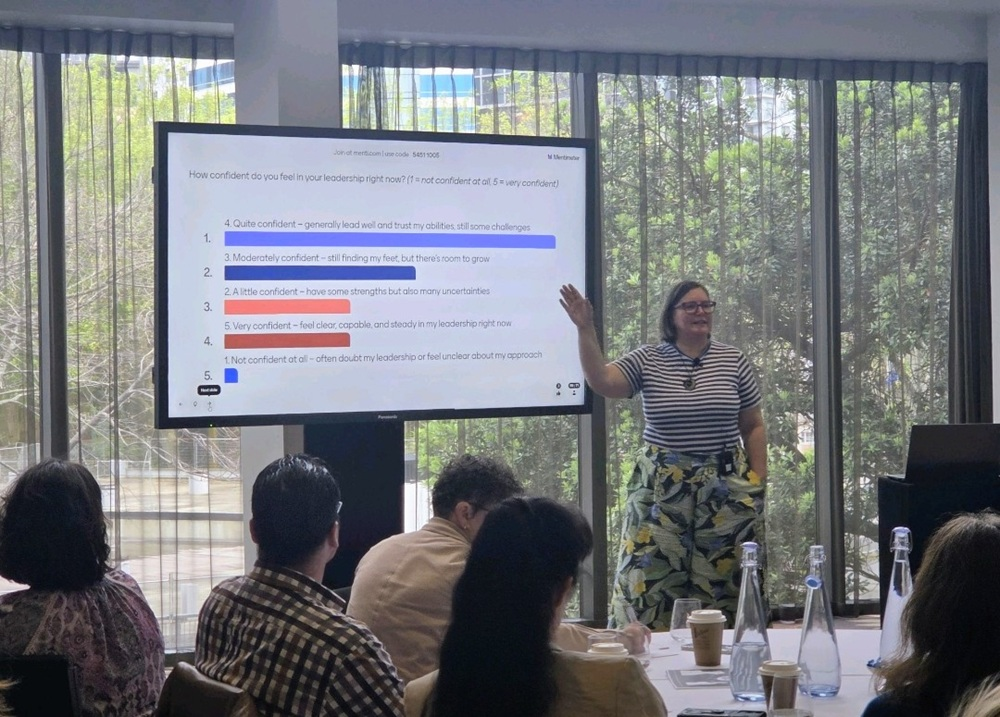
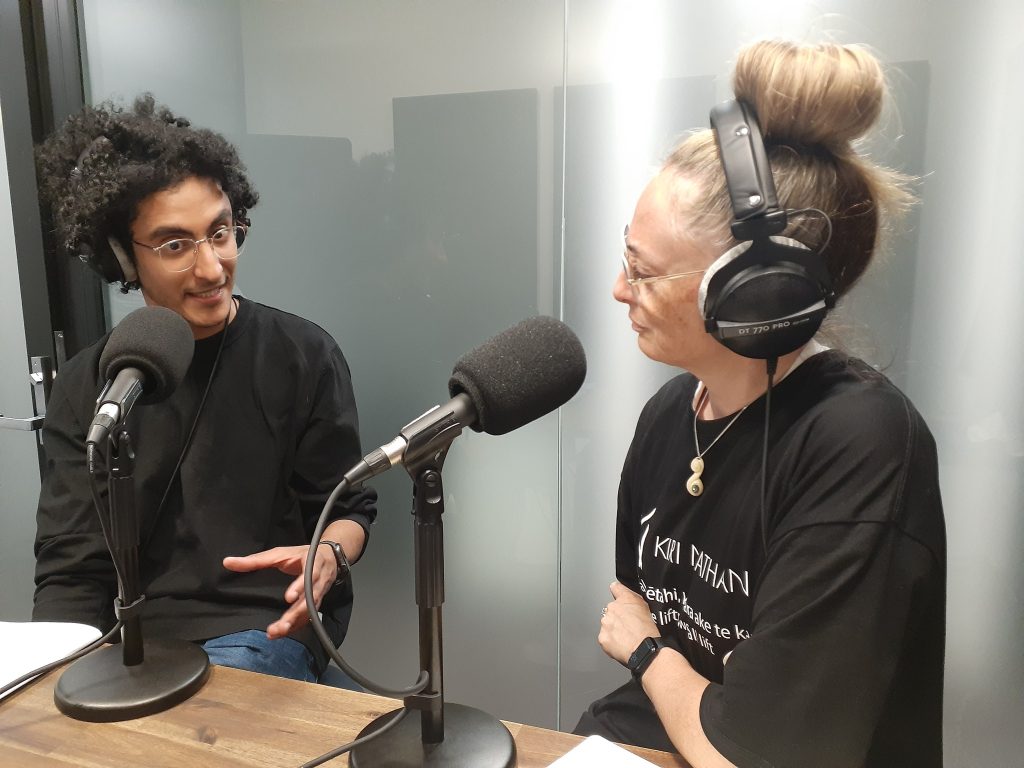
I spend a lot of time alongside nonprofit leaders. Thoughtful, capable people who care deeply about their organisations and communities.
And I keep seeing the same things:
- Leadership overload — roles have grown beyond what one person can reasonably hold.
- Funding pressure — organisations are expected to do more with less, year after year.
- Growing need — the complexity and acuity of community need continues to increase.
- Governance pressure — well-intentioned expectations can create even more work for already stretched leaders.
- Systems under strain — many of the ways we organise, fund and govern nonprofits simply don’t fit the realities of the mahi anymore.
When leaders struggle within these conditions, we often turn our attention to the individual.
Do we need better boundaries? More resilience? Better time management?
More leadership development?
Those things can help.
But what if the problem isn’t always the leader?
What if we asked different questions?
What if burnout isn’t just a wellbeing issue, but a signal that something needs to change? What if leadership overload is an organisational design issue? What if everything doesn’t actually need to be done?
What if boards asked not only “What information do we need?” but “What does producing this cost the organisation?”
What if leadership could be shared rather than concentrated in one role? What if we stopped asking nonprofit leaders to become better at carrying impossible workloads and started redesigning the workload itself?
I don’t have all the answers. That’s the point.
Reimagining Nonprofit Leadership is about creating space to question what we’ve inherited, learn from each other and explore different ways of working.
Come and explore this with me
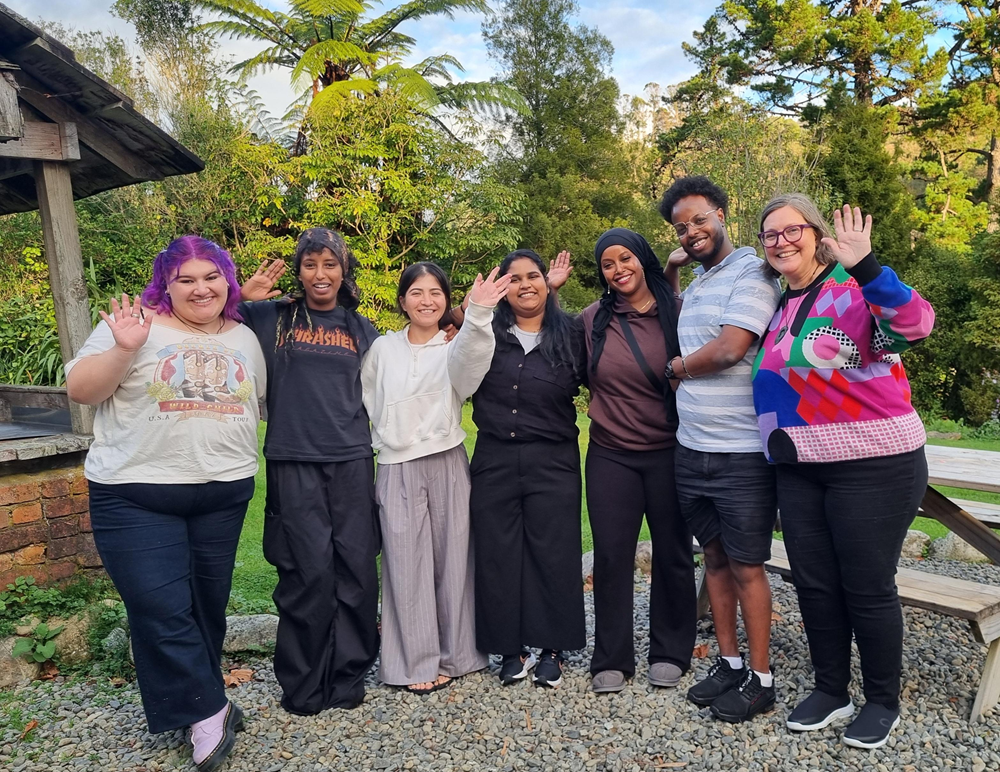
This thinking shapes all of my mahi — from my writing and free sector kōrerorero to the mahi I do directly with nonprofit leaders, boards and organisations.
Reflective Leadership Supervision
Regular one-to-one support for nonprofit leaders who need somewhere to think, reflect and make sense of the complexity they’re carrying.
Governance & Facilitation
Working with boards and leadership teams to strengthen relationships, challenge assumptions and explore different ways of working together.
Reimagining Nonprofit Leadership
My writing and facilitated kōrerorero exploring the bigger questions facing nonprofit leadership and what might come next.